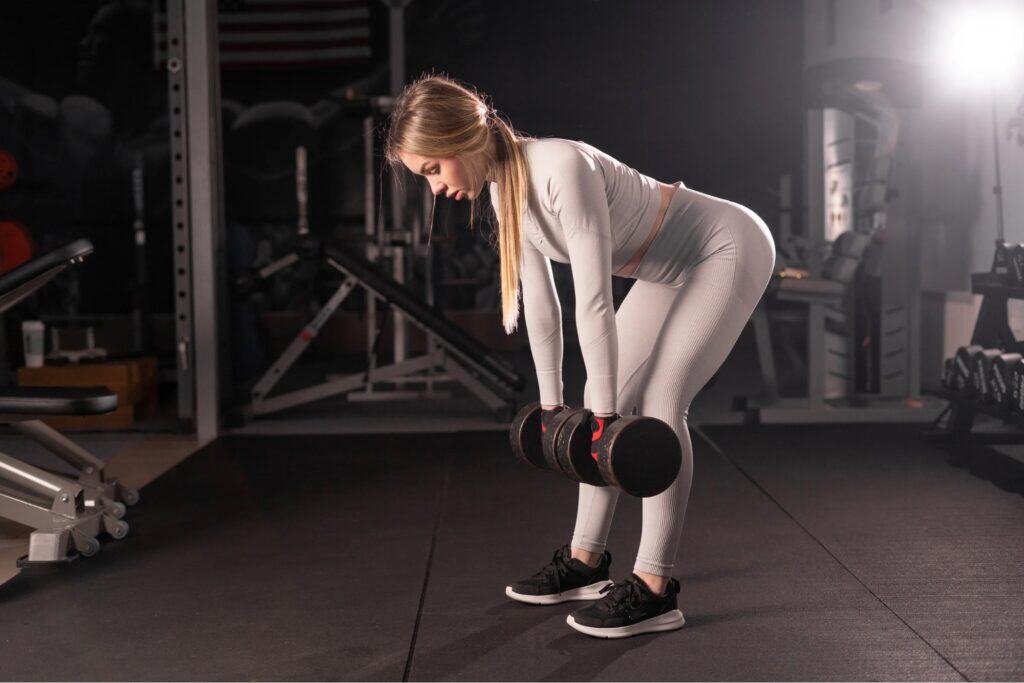
Glute training is essential for women who want to build strength, improve posture, and shape their lower body. Whether you are just starting or already experienced, a structured workout plan can help you develop strong, well-defined glutes.
This guide covers effective exercises, safety tips, diet recommendations, and recommended fitness products to enhance your training.
Why Glute Training Matters
Strong glutes are not just for aesthetics. They play a vital role in stability, strength, and overall movement. Weak glutes can contribute to back pain, poor posture, and increased risk of injury.
Benefits of Glute Training
- Improves lower body strength and athletic performance
- Enhances posture and helps prevent back pain
- Boosts metabolism and supports fat loss
- Provides better stability for daily activities
Safety Tips for Glute Training
Before starting your workout, keep these safety guidelines in mind:
- Warm up first – Activate your glutes with stretches and light exercises like glute bridges and leg swings. Resistance bands are great for warm-ups, especially for beginners. If you are new to them, check out 10 Easy Resistance Band Exercises for Beginners to learn effective techniques.
- Focus on proper form – Avoid straining your lower back by keeping your core engaged and movements controlled.
- Progress slowly – Start with bodyweight exercises before adding resistance to prevent injuries.
- Listen to your body – Stop if you experience sharp pain or discomfort. Overtraining can lead to muscle strain.
- Use supportive gear – Proper footwear and workout accessories can improve performance and reduce injury risk.
Recommended: Nike Women’s Training Shoes, Glute Resistance Bands
Glute Workouts for All Levels
Beginner Glute Exercises
If you are new to glute training, start with bodyweight movements to build a strong foundation.
Glute Bridge
- Lie on your back with your knees bent and feet flat on the floor.
- Press through your heels and lift your hips until your body forms a straight line from shoulders to knees.
- Squeeze your glutes at the top, hold for a second, then lower slowly.
- Perform three sets of fifteen repetitions.
Tip: Add intensity by placing a weight on your hips.
Recommended: Fabric Resistance Bands for Extra Activation
Bodyweight Squat
- Stand with your feet shoulder-width apart.
- Lower your body by bending your knees and pushing your hips back.
- Keep your chest lifted and your knees aligned with your toes.
- Push through your heels to return to the starting position.
- Perform three sets of fifteen repetitions.
Intermediate and Advanced Glute Workouts
Once you master the basics, progress by adding resistance with dumbbells, barbells, or resistance bands.
Hip Thrust with Dumbbell
- Sit with your upper back against a bench and a dumbbell placed on your hips.
- Plant your feet firmly on the ground and drive through your heels to lift your hips.
- Squeeze your glutes at the top and lower back down slowly.
- Perform three sets of twelve repetitions.
Recommended: Adjustable Dumbbells
Romanian Deadlifts
- Hold a pair of dumbbells or a barbell in front of your thighs.
- Hinge at your hips, lowering the weights down while keeping your back straight.
- Stop when you feel a stretch in your hamstrings, then squeeze your glutes to return to standing.
- Perform three sets of ten repetitions.
Recommended: Barbell Pad for Comfort
Best Diet for Glute Growth
A balanced diet supports muscle growth and recovery. Prioritize protein, healthy carbohydrates, and essential fats.
Protein Sources
- Chicken, turkey, salmon, and eggs
- Greek yogurt, cottage cheese, and tofu
- Protein powders for post-workout recovery
For extra convenience, try my High Protein Snacks: 20 Delicious and Easy Recipes to Fuel Your Day to keep your muscles nourished throughout the day.
Recommended: Whey Protein Powder for Muscle Growth
Healthy Carbohydrates and Fats
- Brown rice, quinoa, and sweet potatoes
- Avocados, nuts, seeds, and olive oil
A nutritious meal can enhance your recovery. For a delicious and energizing breakfast, check out my Green Smoothie Bowl Recipe: A Delicious and Nutritious Start to Your Day to kickstart your morning with vitamins and protein.
Drink plenty of water to support recovery and performance.
How Often Should You Train Your Glutes?
For the best results, train your glutes two to three times per week, allowing at least forty-eight hours of recovery between sessions.
Example Schedule:
- Monday: Glute-Focused Strength Training
- Wednesday: Lower Body and Glutes
- Friday: Glute and Core Workout
Frequently Asked Questions (FAQs)
Q1. How can I grow my glutes fast at home?
Ans. To grow your glutes quickly at home, focus on exercises that activate and challenge your muscles. Do glute bridges, Bulgarian split squats, resistance band kickbacks, and step-ups at least three times per week. Use resistance bands or ankle weights to increase intensity. Pair your workouts with a high-protein diet to speed up muscle growth.
Q2. What is the best exercise for glute growth?
Hip Thrusts – Maximizes glute activation
Bulgarian Split Squats – Improves single-leg strength and balance
Romanian Deadlifts – Stretches and strengthens the glutes
Glute Bridges – Great for beginners and home workouts
Step-Ups – Builds power and targets glutes directly
For faster results, use dumbbells or resistance bands to increase difficulty.
Q3. How long does it take to see glute growth?
Ans. Most women notice visible changes in four to eight weeks with consistent training, progressive overload, and proper nutrition. Significant glute growth takes three to six months, depending on genetics, diet, and workout intensity.
Q4. Can I grow my glutes without lifting weights?
Ans. Yes, you can grow your glutes without weights by focusing on high-rep bodyweight exercises like glute bridges, donkey kicks, and step-ups. Using resistance bands and slow, controlled movements will help activate and shape your glutes effectively.
Q5. How many times a week should I train my glutes?
Ans. For the best results, train your glutes two to three times per week with at least 48 hours of rest between sessions. Overtraining can slow muscle growth and lead to injury.
Sample schedule:
Monday – Glute-Focused Workout
Wednesday – Lower Body and Glutes
Friday – Glutes and Core
Q6. What foods help build bigger glutes?
Ans. A glute-building diet should focus on protein, healthy fats, and carbs to fuel muscle growth.
Best foods for bigger glutes:
Protein: Chicken, salmon, eggs, Greek yogurt, protein shakes
Carbs: Brown rice, quinoa, oats, sweet potatoes
Fats: Avocados, nuts, seeds, olive oil
Summary
Glute training is essential for strength, stability, and a toned lower body. Beginners should focus on bodyweight exercises before progressing to weights. A high-protein diet combined with consistent training will maximize muscle growth. Train your glutes two to three times per week, focus on proper form, and stay patient for long-term results.
Recommended Gear for Glute Training:
Don’t Forget To Check Out My:
- 10 Easy Resistance Band Exercises for Beginners
- High Protein Snacks: 20 Delicious and Easy Recipes to Fuel Your Day
- Green Smoothie Bowl Recipe: A Delicious and Nutritious Start to Your Day
Affiliate Disclaimer: This article contains affiliate links. If you purchase through these links, I may earn a small commission at no extra cost to you. This helps support the creation of free fitness content. Thank you for your support.
Related Post:
- Chest Workouts for Women: Strengthen, Tone, and Enhance Confidence
 While glutes, abs, and thighs often dominate women’s fitness conversations, chest workouts remains underrated. A …
 - 10 Gentle Back Exercises – Relieve Pain and Build StrengthEver feel like your back is carrying the weight of your entire life? Literally, it …
- Ultimate Glute Training for Women: Lift, Tone & StrengthenGlute training is essential for women who want to build strength, improve posture, and shape …
- Belly Fat in Women: Causes, Risks, and Best SolutionsWhy Belly Fat is Hard to Lose—And What You Can Do About It Struggling to …
- Get Rid of Underarm Fat Naturally: Best Exercises & Proven Tips
 Underarm fat—aka “bat wings”—can be stubborn, but getting rid of it doesn’t have to be complicated. The …
 - Summer Workout Plan: Get Fit and Feel Great
 Summer is coming up fast! That means beach days, vacations, and warm weather. If you’re …




1 thought on “Ultimate Glute Training for Women: Lift, Tone & Strengthen”