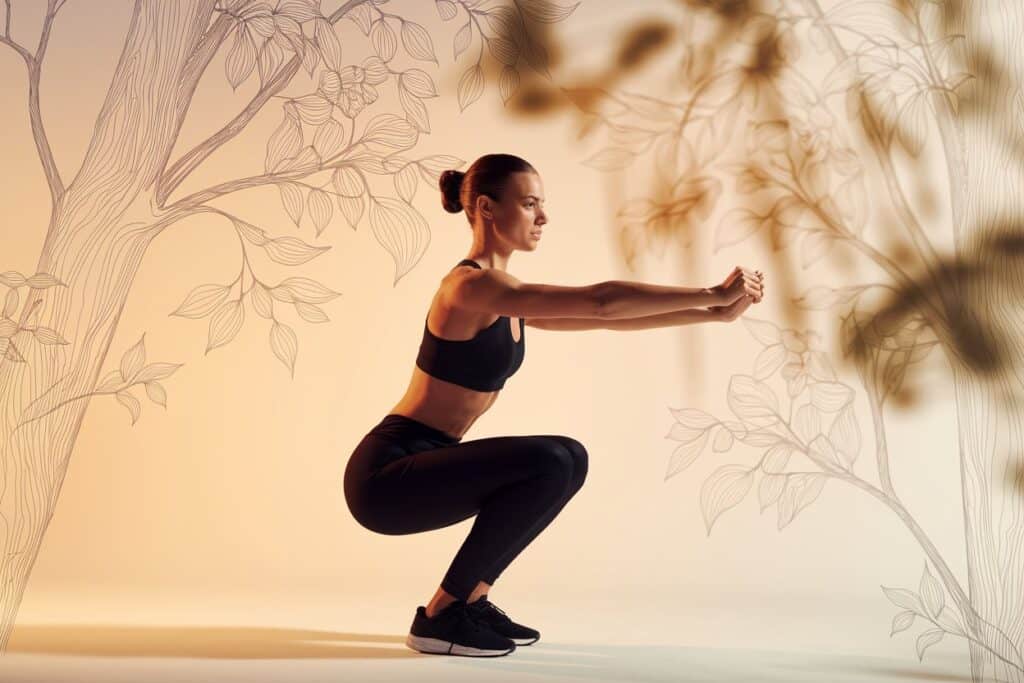
Master the Basics: Learn How to Squat Safely and Effectively—Even If You’ve Never Done One Before
Did you know that a single squat activates over 200 muscles in your body? This full-body move doesn’t just strengthen your legs—it also works your core, improves balance, boosts flexibility, and increases your calorie burn. Whether you’re new to fitness or getting back into shape, learning how to do squats with proper form is one of the smartest moves you can make.
In this guide, you’ll learn exactly how to squat correctly as a beginner—plus common mistakes to avoid, tips for better form, and beginner-friendly modifications to get you started safely.
Why Squats Are So Effective
Squats are a compound movement, which means they engage multiple muscle groups at once. Here’s what makes squats such a must-have in any workout routine:
- Builds strength in glutes, quads, and hamstrings
- Improves core stability and posture
- Boosts joint flexibility and mobility
- Burns calories and supports fat loss
- Enhances performance in everyday activities (think: sitting, standing, bending)
Squats are also incredibly versatile. You can do them anywhere, with or without equipment.
Warm-Up Before You Squat
Before jumping into your squats, always warm up to loosen your joints and activate key muscles. Try these dynamic moves:
- Leg Swings (30 seconds per leg, front-to-back and side-to-side)
- Hip Circles (10 reps in each direction)
- Bodyweight Lunges (10 reps per leg)
How to Do a Squat (Step-by-Step for Beginners)
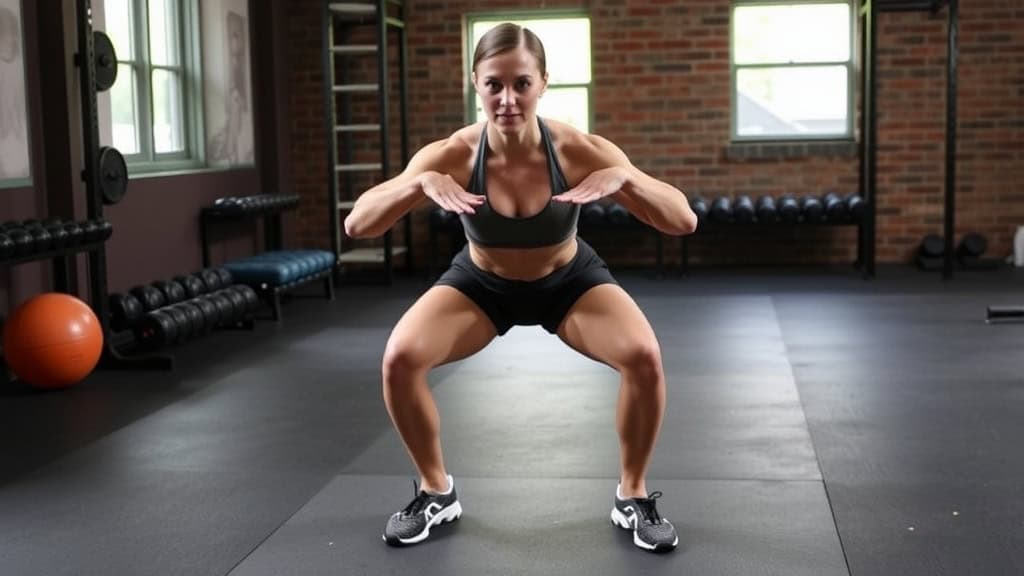
Step 1: Find Your Starting Position
- Stand with feet shoulder-width apart
- Point your toes slightly outward (about 10–15 degrees)
- Keep your chest up, core engaged, and maintain a neutral spine
Step 2: Lower Into the Squat
- Push your hips back as if sitting into a chair
- Bend your knees and keep them aligned with your toes
- Keep your heels flat on the ground
- Lower down until your thighs are parallel to the floor—or as low as your mobility allows
Step 3: Return to Starting Position
- Press through your heels to stand back up
- Squeeze your glutes at the top
- Keep your back straight and core tight throughout the movement
Step 4: Repeat
- Aim for 2–3 sets of 10–15 reps
- Rest 30–60 seconds between sets
Common Squat Mistakes to Avoid
Even experienced lifters can fall into these traps. Watch out for:
- Knees caving inward: Focus on pushing them outward
- Heels lifting off the floor: Keep your weight on your heels
- Rounded back: Keep your chest lifted and core engaged
- Shallow squats: Aim for depth while maintaining good form
Beginner Modifications & Progressions
Start simple and work your way up.
Easier Options:
- Chair Squat: Sit down and stand up from a chair to master the movement
- Wall Squat: Lean against a wall and hold the squat to build strength
Ready to Progress?
- Goblet Squat: Hold a dumbbell or kettlebell at chest height
- Resistance Band Squat: Add bands around your thighs for extra tension
- Sumo Squat: Take a wider stance to target the inner thighs
Pro Tip: Check out my blog post on 10 Easy Resistance Band Exercises for Beginners for more beginner-friendly ideas you can do at home.
And if you’re looking to sculpt and tone your backside, don’t miss: Ultimate Glute Training for Women: Lift, Tone & Strengthen. It’s packed with expert tips and targeted moves to help you build strong, shapely glutes.
Don’t Forget to Breathe!
- Inhale as you lower into the squat
- Exhale as you push back up
Breathing with control helps stabilize your spine and engage your core.
Safety Tips for Beginners
- Master form first—then add weights
- Wear flat, supportive shoes (avoid thick-soled running shoes)
- Stop if you feel sharp pain in your knees, hips, or back
- Use a mirror or record yourself to check your form
Frequently Asked Questions
Q1. Can I do squats every day?
Ans. Not recommended for beginners. Start with 2–3 sessions per week and allow time for recovery.
Q2. How deep should I squat?
Ans. Aim for thighs parallel to the floor. Go only as deep as you can without compromising form.
Q3. Should my knees go over my toes?
Ans. It’s okay if they slightly pass your toes, as long as they don’t collapse inward.
Q4. Will squats help tone my glutes?
Ans. Absolutely! Squats are one of the best moves for glute development. For more targeted tips, visit Ultimate Glute Training for Women: Lift, Tone & Strengthen.
Q5. What if I feel pain while squatting?
Ans. Stop immediately. Pain (especially sharp or sudden) is a sign something’s wrong. Reassess your form or consult a trainer.
Final Thoughts
Learning to squat properly is a foundational skill that pays off in strength, mobility, and everyday movement. Focus on form first, and progress gradually as you build strength and confidence.
When you’re ready to take your training to the next level, be sure to explore:
- 10 Easy Resistance Band Exercises for Beginners
- Ultimate Glute Training for Women: Lift, Tone & Strengthen
- Keto Diet for Beginners
to complement your fitness journey!
Latest Post:
- Chest Workouts for Women: Strengthen, Tone, and Enhance Confidence

- How to Do Squats Correctly – Beginners Guide
- 10 Gentle Back Exercises – Relieve Pain and Build Strength
- Ultimate Glute Training for Women: Lift, Tone & Strengthen
- Belly Fat in Women: Causes, Risks, and Best Solutions
- Get Rid of Underarm Fat Naturally: Best Exercises & Proven Tips