Why Belly Fat is Hard to Lose—And What You Can Do About It
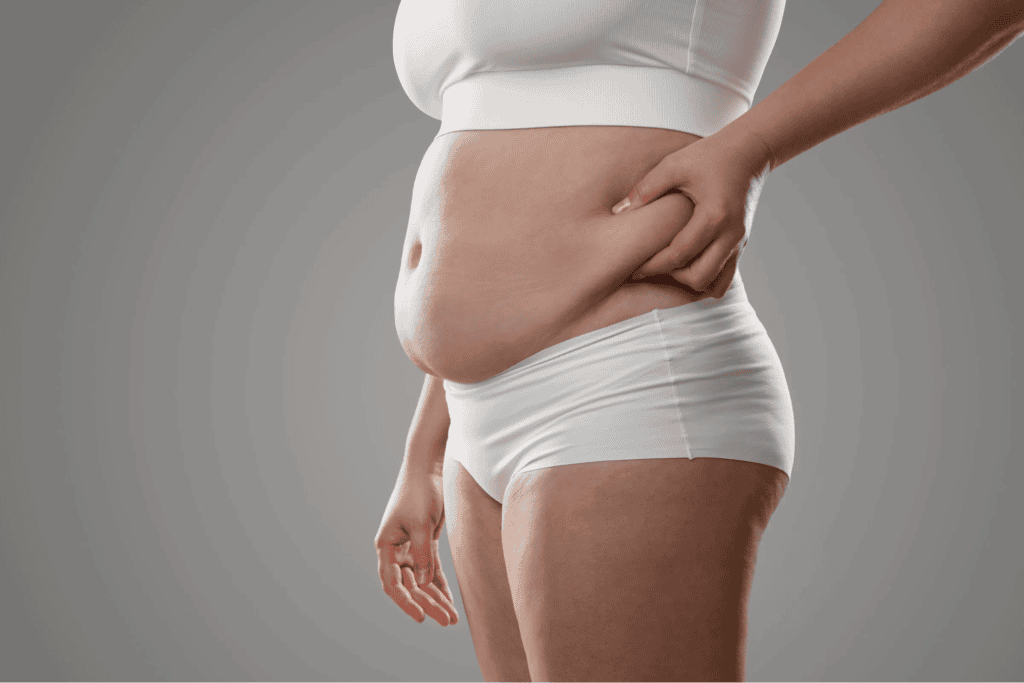
Struggling to get rid of belly fat? You’re not alone. Many women, especially after menopause, find it harder to shed weight around the midsection. It’s not just about diet and exercise—hormonal changes, aging, and metabolism all play a role.
The good news? Research shows that with the right strategies, you can reduce belly fat, improve your health, and feel more confident. Let’s dive into the science behind belly fat and the best ways to lose it.
Why Women Gain Belly Fat
1. Hormonal Changes and Metabolism
As estrogen levels decline, fat redistributes from the hips and thighs to the abdomen. A study in the Journal of Clinical Endocrinology & Metabolism found that postmenopausal women have more visceral fat (fat stored around organs) than younger women.
Dr. Caroline Apovian, an endocrinologist at Harvard Medical School, explains, “After menopause, the body stores more fat in the belly, which increases the risk of metabolic diseases like diabetes and heart disease.”
2. Slower Metabolism with Age
After 30, metabolism slows down, meaning the body burns fewer calories. A Mayo Clinic study found that without regular strength training, women lose muscle mass, which further reduces calorie burn.
3. Stress and Poor Sleep
Chronic stress increases cortisol, a hormone that signals the body to store fat in the abdomen. A Harvard Medical School study also found that women who sleep fewer than six hours per night have 22% more visceral fat than those who sleep at least seven hours.
Health Risks
Belly fat isn’t just about appearance—it’s linked to serious health risks, including:
- Heart disease – Research from the American Heart Association shows that belly fat increases heart disease risk, even in women with normal BMI.
- Type 2 diabetes – A Diabetes Care study found that visceral fat is a major cause of insulin resistance.
- Fatty liver disease – According to The Lancet, belly fat contributes to non-alcoholic fatty liver disease (NAFLD), which affects nearly 25% of adults.
Dr. Samuel Klein, a metabolism expert, states, “Even in people with a normal weight, excess belly fat raises the risk of chronic diseases.”
How to Measure Belly Fat
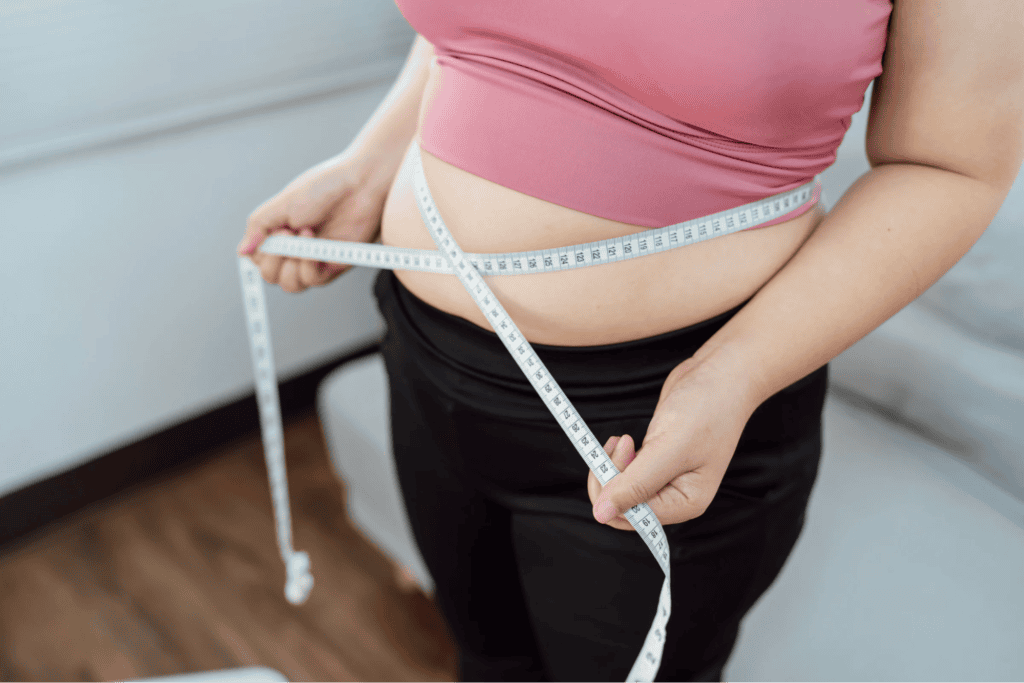
To check if your belly fat is a health concern, measure your waist:
- Stand up and wrap a tape measure around your bare stomach, just above your hipbones.
- Pull it snug but not too tight.
- Relax, exhale, and measure your waist without sucking in your stomach.
A waist size over 35 inches (89 cm) indicates a higher risk of health issues.
How to Boost Metabolism for Faster Fat Loss
If you find it harder to lose weight as you age, it’s likely due to a slowing metabolism. Here’s how to naturally boost metabolism and burn belly fat more efficiently:
- Increase Protein Intake – Studies from The American Journal of Clinical Nutrition show that high-protein diets boost metabolism by 15-30%.
- Stay Hydrated – Drinking water increases metabolic rate by 30% for up to an hour, according to The Journal of Clinical Endocrinology & Metabolism.
- Get Quality Sleep – A Nature Communications study found that sleep deprivation slows metabolism and increases hunger hormones.
- Incorporate Strength Training – Lifting weights helps maintain muscle, which burns more calories at rest.
Additionally, mitochondrial health plays a key role in metabolism. MITOLYN supports mitochondrial function, helping your body convert food into energy more efficiently, making fat loss easier.
Best Diet for Losing Belly Fat

The best diet for belly fat loss includes whole, nutrient-dense foods while reducing processed and sugary items.
1. Focus on Fiber and Protein
- High-fiber foods – A Harvard study found that women who ate at least 25 grams of fiber daily had significantly less belly fat.
- Lean proteins – Foods like fish, poultry, and tofu help preserve muscle and promote fat loss.
2. Cut Back on Added Sugar and Processed Foods
A JAMA Internal Medicine study linked sugar-sweetened beverages to increased visceral fat accumulation. Instead, choose water, herbal tea, or black coffee.
3. Include Healthy Fats
Monounsaturated and polyunsaturated fats, found in nuts, seeds, and olive oil, help reduce inflammation and improve metabolism.
Does a Calorie Deficit Meal Plan Help Lose Belly Fat?
Maintaining a calorie deficit is essential for losing excess fat, including abdominal fat. A well-structured meal plan helps you stay on track without feeling deprived. If you need guidance, check out our Calorie Deficit Meal Plan for Weight Loss for a detailed breakdown of nutritious, satisfying meals designed to support fat loss.
Best Workouts to Burn Belly Fat

Exercise is crucial for reducing belly fat. Here’s what works best:
1. Cardio for Fat Burning
- Brisk walking or jogging – A 12-week study in The American Journal of Physiology found that moderate-intensity cardio reduced visceral fat by 8%.
- Swimming – Provides a full-body workout that strengthens muscles while burning fat.
2. Strength Training for Metabolism Boost
- Squats and lunges – Engage multiple muscle groups and improve metabolism.
- Deadlifts – A Sports Medicine study found that resistance training improves fat oxidation.
3. Core-Strengthening Exercises
- Planks – Strengthens deep abdominal muscles.
- Russian Twists – Targets oblique muscles and improves waist definition.
4. High-Intensity Interval Training (HIIT)
A Journal of Obesity study found that HIIT workouts burn twice as much belly fat as steady-state cardio. Try this HIIT workout:
- Jump Squats – 30 seconds
- Mountain Climbers – 30 seconds
- Burpees – 30 seconds
- Rest for 30 seconds, then repeat for 3-4 rounds.
FAQs About Belly Fat in Women
1. Why is belly fat harder to lose than other fat?
Belly fat, especially visceral fat, is more biologically active and responds differently to hormones like cortisol and insulin. A Harvard Medical School study found that stress, aging, and hormonal shifts make it more stubborn. Unlike fat in other areas, it requires a combination of diet, exercise, and metabolism support to burn effectively.
2. What are the best exercises to reduce stomach fat?
The most effective exercises for reducing stomach fat include:
Cardio workouts – Walking, running, and swimming help burn calories.
Strength training – Lifting weights builds muscle and boosts metabolism.
HIIT (High-Intensity Interval Training) – A Journal of Obesity study found that HIIT burns twice as much body fat in the abdominal area as steady-state cardio.
Core workouts – Planks and Russian twists strengthen the midsection.
3. How does stress affect belly fat?
Chronic stress increases cortisol, a hormone that signals your body to store fat in the abdomen. A Harvard Medical School study found that women with high cortisol levels have more visceral fat, even without a calorie surplus. Managing stress through meditation, exercise, and sleep can help reduce belly fat.
4. Can diet alone help shrink the midsection?
Diet plays a major role in reducing excess fat in the midsection, but exercise and metabolism support are also important. A study in The American Journal of Clinical Nutrition found that:
Fiber-rich foods (vegetables, fruits, whole grains) help reduce deep abdominal fat.
High-protein diets boost metabolism and reduce cravings.
Sugary foods and processed carbs contribute to unwanted weight gain in the core area.
5. How can I speed up my metabolism to burn belly fat?
To boost metabolism naturally:
Strength training – Builds muscle, which burns more calories at rest.
Stay hydrated – Drinking water increases calorie burn.
Sleep 7-9 hours – Poor sleep slows metabolism and increases hunger hormones.
Support mitochondrial function – MITOLYN enhances mitochondrial activity, helping your body burn fat more efficiently and sustain energy levels.
By combining the right foods, effective workouts, and metabolism support, you can lose belly fat and keep it off!
6. What is the best meal plan for losing belly fat?
A structured meal plan focusing on protein, fiber, and portion control can help you stay in a calorie deficit. For a complete guide, check out our Calorie Deficit Meal Plan for Weight Loss to help you lose fat while enjoying satisfying meals.
Summery
Losing belly fat takes time, but it’s possible with the right approach. A balanced diet, regular exercise, and proper sleep can make a big difference.
If you struggle with slow metabolism and stubborn belly fat, MITOLYN can help by improving mitochondrial function, which supports fat burning and energy production.
Start small, stay consistent, and make these changes part of your lifestyle for long-term results.
Latest Post:
- Chest Workouts for Women: Strengthen, Tone, and Enhance Confidence
 While glutes, abs, and thighs often dominate women’s fitness conversations, …
 - How to Do Squats Correctly – Beginners GuideMaster the Basics: Learn How to Squat Safely and Effectively—Even …
- 10 Gentle Back Exercises – Relieve Pain and Build StrengthEver feel like your back is carrying the weight of …
- Your Ultimate Daily Self-Care GuideIn today’s fast-paced world, self-care is more important than ever. …
- Ultimate Glute Training for Women: Lift, Tone & StrengthenGlute training is essential for women who want to build …
- Simple Healthy Dinner Recipes for FamilyEating healthy dinner as a family doesn’t have to be …