- What Are Kegel Exercises?
- Benefits of Kegel Exercises for Women
- How to Locate Your Pelvic Floor Muscles
- How to Perform Kegel Exercises Correctly
- Struggling with Kegels? Supercharge Your Results with “Power Kegels”!
- Common Mistakes to Avoid
- Advanced Kegel Variations
- 1. The Elevator Kegel
- 2. Quick Flick Kegels
- 3. Bridge Kegels
- 4. Squat Kegels
- How Long Before You See Results?
- Summery
- What Are Kegel Exercises?
- Benefits of Kegel Exercises for Women
- How to Locate Your Pelvic Floor Muscles
- How to Perform Kegel Exercises Correctly
- Struggling with Kegels? Supercharge Your Results with “Power Kegels”!
- Common Mistakes to Avoid
- Advanced Kegel Variations
- 1. The Elevator Kegel
- 2. Quick Flick Kegels
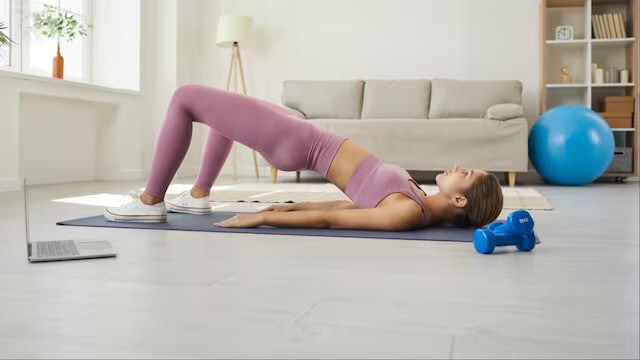
- 3. Bridge Kegels
- 4. Squat Kegels
- How Long Before You See Results?
- Summery
Kegel exercises are a simple yet powerful way for women to strengthen their pelvic floor muscles. These muscles support the bladder, uterus, and rectum, playing a crucial role in urinary control, sexual function, and overall pelvic health. Whether you’re looking to prevent incontinence, improve intimacy, or recover after childbirth, incorporating Kegel exercises into your routine can be highly beneficial.
In this guide, we’ll cover everything you need to know about Kegel exercises, including their benefits, how to do them correctly, common mistakes to avoid, and variations to enhance their effectiveness. Plus, if you want faster and better results, we’ll introduce you to Power Kegels, an advanced system designed to supercharge your pelvic floor workout!
What Are Kegel Exercises?
Kegel exercises involve contracting and relaxing the pelvic floor muscles to improve their strength and endurance. Named after Dr. Arnold Kegel, who introduced them in the 1940s, these exercises help women maintain better bladder control, prevent pelvic organ prolapse, and enhance sexual satisfaction.
Benefits of Kegel Exercises for Women
- What Are Kegel Exercises?
- Benefits of Kegel Exercises for Women
- How to Locate Your Pelvic Floor Muscles
- How to Perform Kegel Exercises Correctly
- Struggling with Kegels? Supercharge Your Results with “Power Kegels”!
- Common Mistakes to Avoid
- Advanced Kegel Variations
- 1. The Elevator Kegel
- 2. Quick Flick Kegels
- 3. Bridge Kegels
- 4. Squat Kegels
- How Long Before You See Results?
- Summery
- What Are Kegel Exercises?
- Benefits of Kegel Exercises for Women
- How to Locate Your Pelvic Floor Muscles
- How to Perform Kegel Exercises Correctly
- Struggling with Kegels? Supercharge Your Results with “Power Kegels”!
- Common Mistakes to Avoid
- Advanced Kegel Variations
- 1. The Elevator Kegel
- 2. Quick Flick Kegels
- 3. Bridge Kegels
- 4. Squat Kegels
- How Long Before You See Results?
- Summery
Regular practice of Kegel exercises can lead to numerous benefits, such as:
- Improved Bladder Control: Reduces and prevents urinary incontinence, particularly post-childbirth or during menopause.
- Enhanced Bowel Control: Strengthens muscles supporting the rectum, reducing the risk of fecal incontinence.
- Better Intimacy: Increased muscle tone can boost sensation and sexual satisfaction.
- Support During and After Pregnancy: Helps manage pregnancy-related changes and aids postpartum recovery.
- Lower Risk of Pelvic Organ Prolapse: Keeps the pelvic organs in proper alignment.
How to Locate Your Pelvic Floor Muscles
Before you begin, it’s essential to identify the correct muscles:
- Stop the Flow Test: Next time you’re using the restroom, try stopping your urine flow midstream (only as a test). The muscles you engage are your pelvic floor muscles.
- Mirror Test: Sit in front of a mirror and contract your vaginal muscles as if pulling them upward. Look for a gentle contraction.
- Finger Test: Insert a clean finger into your vagina and squeeze. Feeling a gentle tightening indicates you’ve found the right muscles.
How to Perform Kegel Exercises Correctly
Follow these steps to maximize the benefits of your Kegel routine:
- Get Comfortable: Choose a comfortable position—lying down, sitting, or standing.
- Contract Your Muscles: Squeeze your pelvic floor muscles as if trying to stop urination or prevent passing gas.
- Hold the Contraction: Maintain the squeeze for 3-5 seconds, ensuring you breathe normally.
- Release Slowly: Relax your muscles for the same duration.
- Repeat: Aim for 10-15 repetitions per set and perform 3 sets per day.
Remember: Consistency is key. Incorporate these exercises into your daily routine for the best results.
Struggling with Kegels? Supercharge Your Results with “Power Kegels”!
Many women find it difficult to isolate and engage the correct pelvic floor muscles. If you’re unsure whether you’re doing Kegels correctly or want faster and more effective results, the Power Kegels System is the perfect solution!
✨ What is Power Kegels?
Power Kegels is a scientifically designed pelvic floor training program that uses advanced techniques and interactive workouts to maximize your results. Unlike regular Kegels, which can be hard to master, Power Kegels guides you step-by-step, ensuring that you’re activating the right muscles every time.
Why Power Kegels?
✔ Faster Results – Strengthen your pelvic muscles in half the time of traditional Kegels.
✔ Perfect for All Ages – Whether you’re in your 20s, post-pregnancy, or going through menopause, this program works for you.
✔ Boosts Sexual Confidence – Power Kegels enhances vaginal tightness and increases pleasure for both you and your partner.
✔ No More Guesswork – Get expert guidance and avoid common Kegel mistakes.
- What Are Kegel Exercises?
- Benefits of Kegel Exercises for Women
- How to Locate Your Pelvic Floor Muscles
- How to Perform Kegel Exercises Correctly
- Struggling with Kegels? Supercharge Your Results with “Power Kegels”!
- Common Mistakes to Avoid
- Advanced Kegel Variations
- 1. The Elevator Kegel
- 2. Quick Flick Kegels
- 3. Bridge Kegels
- 4. Squat Kegels
- How Long Before You See Results?
- Summery
Common Mistakes to Avoid
- Engaging the Wrong Muscles: Ensure you’re focusing on your pelvic floor, not your buttocks, thighs, or stomach.
- Holding Your Breath: Breathe naturally throughout each exercise.
- Overdoing It: Too many repetitions can lead to muscle fatigue.
- Inconsistency: Regular practice is essential to see improvements.
Advanced Kegel Variations
Once you’re comfortable with the basics, try these advanced variations:
1. The Elevator Kegel
- What Are Kegel Exercises?
- Benefits of Kegel Exercises for Women
- How to Locate Your Pelvic Floor Muscles
- How to Perform Kegel Exercises Correctly
- Struggling with Kegels? Supercharge Your Results with “Power Kegels”!
- Common Mistakes to Avoid
- Advanced Kegel Variations
- 1. The Elevator Kegel
- 2. Quick Flick Kegels
- 3. Bridge Kegels
- 4. Squat Kegels
- How Long Before You See Results?
- Summery
What Is the Elevator Kegel?
The Elevator Kegel is a visualization-based exercise where you imagine your pelvic floor muscles moving up and down like an elevator. Instead of simply squeezing and releasing, you contract the muscles in stages, lifting them higher with each level.
How to Perform the Elevator Kegel
- Find a Comfortable Position – Sit, stand, or lie down in a relaxed posture.
- Engage Your Pelvic Floor Muscles – Imagine an elevator starting on the ground floor.
- Lift in Stages – Slowly contract your pelvic floor muscles, imagining the elevator moving up:
- Level 1: A light squeeze
- Level 2: A stronger squeeze
- Level 3: A deep squeeze, fully engaging the muscles
- Hold at the Top – Pause for a few seconds at the highest level.
- Descend Slowly – Release the muscles in stages, as if the elevator is going back down.
- Repeat – Perform 5–10 repetitions per session.
Benefits of the Elevator Kegel
- Improves pelvic floor strength and endurance
- Enhances bladder control
- Supports postpartum recovery
- Can improve sexual function
2. Quick Flick Kegels
- What Are Kegel Exercises?
- Benefits of Kegel Exercises for Women
- How to Locate Your Pelvic Floor Muscles
- How to Perform Kegel Exercises Correctly
- Struggling with Kegels? Supercharge Your Results with “Power Kegels”!
- Common Mistakes to Avoid
- Advanced Kegel Variations
- 1. The Elevator Kegel
- 2. Quick Flick Kegels
- 3. Bridge Kegels
- 4. Squat Kegels
- How Long Before You See Results?
- Summery
How to Perform Quick Flick Kegels:
- Identify the Muscles – The pelvic floor muscles are the ones used to stop urination midstream.
- Quick Contractions – Rapidly contract and release the pelvic floor muscles in quick succession.
- Repetitions – Perform 10–20 quick flicks in a row, then rest for a few seconds.
- Sets – Do 3–5 sets throughout the day for improved strength and endurance.
Benefits of Quick Flick Kegels:
- Improves bladder control
- Strengthens pelvic floor muscles
- Enhances sexual function and sensation
- Helps with postpartum recovery
3. Bridge Kegels
- What Are Kegel Exercises?
- Benefits of Kegel Exercises for Women
- How to Locate Your Pelvic Floor Muscles
- How to Perform Kegel Exercises Correctly
- Struggling with Kegels? Supercharge Your Results with “Power Kegels”!
- Common Mistakes to Avoid
- Advanced Kegel Variations
- 1. The Elevator Kegel
- 2. Quick Flick Kegels
- 3. Bridge Kegels
- 4. Squat Kegels
- How Long Before You See Results?
- Summery
How to Do Bridge Kegels:
- Lie on Your Back:
- Lay on a mat with your knees bent and feet hip-width apart, flat on the floor.
- Keep your arms at your sides, palms facing down.
- Engage Your Core & Pelvic Floor (Kegel):
- Take a deep breath in.
- As you exhale, contract your pelvic floor muscles (as if you’re stopping urine flow).
- Lift Into a Bridge:
- While holding the Kegel contraction, push through your heels and lift your hips toward the ceiling.
- Squeeze your glutes at the top.
- Hold & Control the Movement:
- Maintain the pelvic floor contraction for a few seconds at the top.
- Slowly lower your hips back down, releasing the Kegel at the bottom.
- Repeat:
- Do 10-15 reps for 2-3 sets to strengthen both the pelvic floor and glutes.
Benefits of Bridge Kegels:
✅ Strengthens the pelvic floor, helping with incontinence and core stability
✅ Builds glute strength, improving posture and reducing lower back pain
✅ Engages the core and hamstrings, making it a great full-body move
4. Squat Kegels
- What Are Kegel Exercises?
- Benefits of Kegel Exercises for Women
- How to Locate Your Pelvic Floor Muscles
- How to Perform Kegel Exercises Correctly
- Struggling with Kegels? Supercharge Your Results with “Power Kegels”!
- Common Mistakes to Avoid
- Advanced Kegel Variations
- 1. The Elevator Kegel
- 2. Quick Flick Kegels
- 3. Bridge Kegels
- 4. Squat Kegels
- How Long Before You See Results?
- Summery
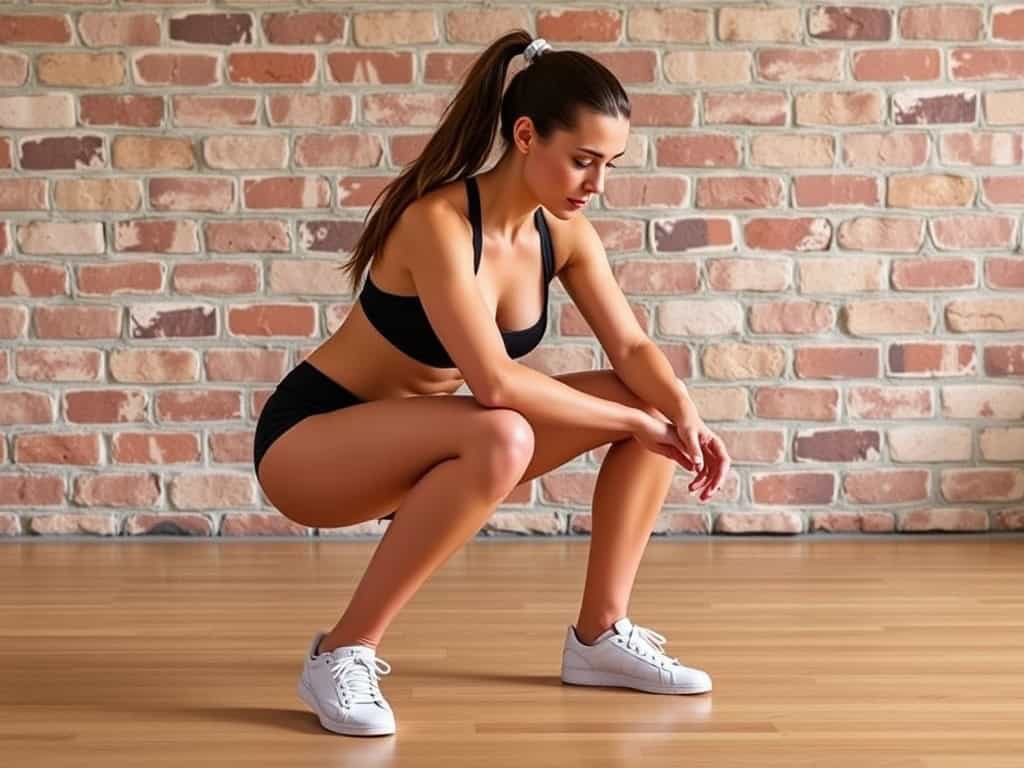
Squat Kegels combine squats with Kegel exercises to strengthen both the pelvic floor muscles and lower body. This exercise is particularly beneficial for improving core stability, bladder control, and overall strength.
How to Do Squat Kegels:
- Stand Tall: Position your feet hip- to shoulder-width apart, toes slightly turned out.
- Engage Your Core: Take a deep breath and activate your core muscles.
- Lower into a Squat: Slowly bend your knees and push your hips back as if sitting in a chair.
- Perform a Kegel: While in the squat position, contract your pelvic floor muscles (as if stopping the flow of urine).
- Hold & Breathe: Hold the contraction for a few seconds while maintaining proper squat form.
- Rise & Release: Stand back up while releasing the Kegel contraction.
- Repeat: Perform 10–15 reps for 2–3 sets.
Benefits of Squat Kegels:
- Strengthens pelvic floor muscles, reducing risk of incontinence.
- Improves lower body strength (glutes, quads, hamstrings).
- Enhances core stability and posture.
- Can support better bladder and bowel control.
- Try these 10 Easy Resistance Band Exercises for Beginners to build strength without putting too much pressure on your pelvic muscles.
How Long Before You See Results?
Most women notice improvements within 4-6 weeks of consistent practice. However, for faster and more noticeable results, the Power Kegels system can help you strengthen your pelvic floor more effectively and in less time!
- What Are Kegel Exercises?
- Benefits of Kegel Exercises for Women
- How to Locate Your Pelvic Floor Muscles
- How to Perform Kegel Exercises Correctly
- Struggling with Kegels? Supercharge Your Results with “Power Kegels”!
- Common Mistakes to Avoid
- Advanced Kegel Variations
- 1. The Elevator Kegel
- 2. Quick Flick Kegels
- 3. Bridge Kegels
- 4. Squat Kegels
- How Long Before You See Results?
- Summery
Summery
Kegel exercises are an essential part of every woman’s self-care routine, helping with bladder control, intimacy, and overall pelvic health.
Be sure to check out my 10 Easy Resistance Band Exercises for Beginners to build overall strength and enhance your fitness routine!”
However, if you want to maximize your results, avoid mistakes, and strengthen your muscles faster, then Power Kegels is the perfect solution.
Don’t wait—start strengthening your pelvic floor today!
➡ Click here to discover Power Kegels and take control of your pelvic health!
Latest Post:
- Chest Workouts for Women: Strengthen, Tone, and Enhance Confidence
 While glutes, abs, and thighs often dominate women’s fitness conversations, …
 - How to Do Squats Correctly – Beginners GuideMaster the Basics: Learn How to Squat Safely and Effectively—Even …
- 10 Gentle Back Exercises – Relieve Pain and Build StrengthEver feel like your back is carrying the weight of …
- Your Ultimate Daily Self-Care GuideIn today’s fast-paced world, self-care is more important than ever. …
- Ultimate Glute Training for Women: Lift, Tone & StrengthenGlute training is essential for women who want to build …
- Simple Healthy Dinner Recipes for FamilyEating healthy dinner as a family doesn’t have to be …





- What Are Kegel Exercises?
- Benefits of Kegel Exercises for Women
- How to Locate Your Pelvic Floor Muscles
- How to Perform Kegel Exercises Correctly
- Struggling with Kegels? Supercharge Your Results with “Power Kegels”!
- Common Mistakes to Avoid
- Advanced Kegel Variations
- 1. The Elevator Kegel
- 2. Quick Flick Kegels
- 3. Bridge Kegels
- 4. Squat Kegels
- How Long Before You See Results?
- Summery